All posts by Paul Stradling

Tech Tip – How To Add Emphasis To Your Words In WhatsApp

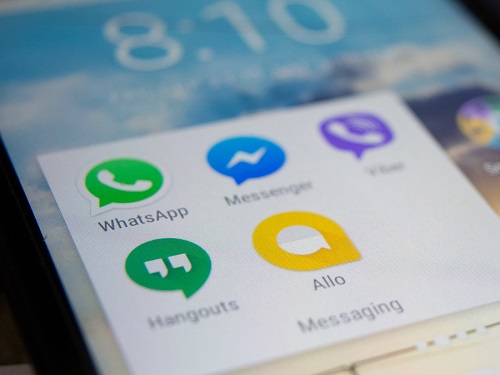
If you’d like to be able to add a bit more emphasis to some of your messages in WhatsApp, here are some fast and easy manual ways to add bold, italic, or strikethrough.

– To make word or phrase bold, put asterisks either side of the word or phrase e.g., *text*

– To put a word or phrase in italics, put an underscore either side of the word or phrase e.g., _text_

– To strikethrough a word, put a tilde either side e.g., ~text~.

Tech-Insight : Even After Opting Out, Your Data May Still Be Shared

A recent US research paper entitled “Opted Out, Yet Tracked: Are Regulations Enough to Protect Your Privacy?” highlights how, in many cases, user data is still being collected, processed, and shared, even when users opt out through a Consent Management Platform (CMP).

The Issue  

The research was based around developing a framework to measure how well Consent Management Platforms (CMPs) worked in terms of data protection and privacy for website users because websites and regulators don’t currently have an effective mechanism to audit advertisers’ compliance with user consent.

Data protection regulations, such as GDPR and CCPA, require websites and embedded third parties, especially advertisers, to seek user consent before they can collect and process user data. Under these regulations, only when the users opt in, should these entities collect, process, and share user data.

CMPs Audited 

Computer scientists Zengrui Liu (Texas A&M University), Umar Iqbal (University of Washington), and Nitesh Saxena (Texas A&M University) published a paper outlining the results of their audit of Consent Management Platforms (CMPs). These are the software tools that helps website owners and operators with the data protection of their users by managing user consent for data collection, tracking, and other online activities that may involve personal data, and to help with compliance with world’s major data privacy laws, e.g. GDPR, UK-GDPR, California’s CCPA/CPRA and more. CMPs are, therefore, a way to solicit and convey user consent to the embedded advertisers, with the expectation that the consent will be respected.

CMPs also allow website visitors to manage their preferences for data collection, storage, and sharing, along with the ability to choose to accept or decline cookies, tracking pixels, and other tracking technologies.

OneTrust and CookieBot Audited 

The auditing framework used by the researchers assessed the violations of data protection regulations and evaluated two of the most widely deployed CMPs, i.e. OneTrust and CookieBot, as well as advertiser-offered opt-out controls, i.e. National Advertising Initiative’s opt-out, under GDPR and CCPA, arguably two of the most mature data protection regulations.

The Conclusion – Users Are Still Tracked When They’ve Opted Out 

The results of the research (published on the Cornell University website) show that user data is still collected, processed, and shared – even when users opt-out, and that it is, therefore, doubtful if regulations are effective at protecting users’ online privacy.  The findings, published in the paper, also appear to suggest that several prominent advertisers (e.g. AppNexus and PubMatic) may even be in potential violation of GDPR and CCPA. The researchers say that the results of their study have “cast a serious doubt on the effectiveness of regulations as a sole means of privacy protection. Specifically, even after users opt-out through CMPs, their data may still be used and shared by advertisers.” 

How Can Your Data Still Be Shared Despite Opting Out? 

The research paper highlights two main ways in which advertisers might be able to process and share user information despite negative consent. These are:

1. Through the inaccurate deployment of CMPs, e.g. the tracking code may execute first before CMPs even have a chance to block cookies or website developers may inaccurately list non-essential cookies as essential.

2. Advertisers using side-channel information to circumvent enforcement by CMPs. For example, advertisers may change their cookies to avoid detection or rely on browser fingerprinting to track users.

Roles And Responsibilities 

In the light of the results, the researchers say that regulators have a responsibility to ensure that online services abide by the laws and should be using automated mechanisms (such as the framework created by the researchers) to deploy infringements of regulations at scale. The researchers say this could be done by periodically using their framework at several vantage points, or as a browser extension.

The researchers also pointed to the fact that website developers have an important role in enforcement of regulations and could deploy CMPs that are better at conveying and enforcing user consent.

What Does This Mean For Your Business? 

The research has revealed that some CMPs may not be effective in terms of compliance with data protection laws due to the fact that they can be inaccurately deployed, or advertisers can use side-channel information to get around matters of consent. This means that that although CMPs are being trusted to handle consent and compliance with data protection and privacy laws, some prominent advertisers using them may actually be in potential violation of GDPR and CCPA, plus users’ negative consent is effectively being ignored in some cases, which may also be a violation of their rights under data protection laws. It could be concluded, therefore, that CMPs can be unreliable and regulations as a sole means of privacy protection can’t be relied upon.

Without the research, this would not have been known about because there doesn’t appear to have been a framework that could be used to test the effectiveness of CMPs until the researchers made one, which indicates that the problem may be more widespread than first thought.

Advertisers and businesses may, therefore, be leaving themselves open to potential fines under data protection and privacy laws because they are not respecting user opt-out decisions. Regulators may now need to increase detection and enforcement, and businesses may need to check that their CMPs are working properly and may need to consider additional measures to cover themselves. Also, as suggested by the researchers, “CMPs, advertisers, website developers, and regulators should work together to define protocols for conveying and enforcing consent.” 

Featured Article : Dealing With Social Media Addiction

With TikTok announcing new features for teens and families, including a 60-minute daily screen time limit, we look at the issue of social media addiction and ideas for tackling it.

TikTok Time Limit 

(Short) video sharing app TikTok has just announced that every account belonging to a user below age 18 will automatically be set to a 60-minute daily screen time limit. TikTok says that if the 60-minute limit is reached, teens will be asked to enter a passcode to continue watching, requiring them to make an active decision to extend that time. Also, for children under 13, under the new changes, the TikTok daily screen time limit will be set to 60 minutes, and a parent or guardian will need to set or enter an existing passcode to enable 30 minutes of additional watch time.

Consulted Research 

TikTok says that it consulted the current academic research and experts from the Digital Wellness Lab at Boston Children’s Hospital in choosing this limit and cites research from internationalmatters.org and TikTok that focuses on how the “mindful use of digital technology can benefit our wellbeing.”

The Problem(s) 

TikTok has carefully worded its announcement to avoid focusing too much on the problem of the negative effects on young people of too much screen time, saying there’s “no collectively-endorsed position on the ‘right’ amount of screen time or even the impact of screen time more broadly.” However, others would argue, while there’s research to suggest that too much screen time can be harmful for teens and younger children. For example, other research has shown that too much screen time can result in:

– Physical health problems. Spending long hours sitting in front of screens can lead to a sedentary lifestyle, which can increase the risk of obesity, cardiovascular disease, and other physical health problems.

– Disrupted sleep. Disrupting the circadian rhythm can make it difficult to fall asleep and get restful sleep, which can affect overall health and wellbeing.

– Eye strain, dry eyes, and other vision problems.

– Poor posture, neck and back pain, and musculoskeletal problems.

– Mental health issues such as increased anxiety, depression, and other issues, especially among teenagers and young adults.

– Interference with face-to-face social interactions and the reduction of the development of social skills.

– Poor academic performance. Spending too much time on screens can lead to poor academic performance, as it can interfere with homework completion and studying.

Can People Be ‘Addicted’ To Social Media? 

Spending a lot of time using social media isn’t the same as suffering from addiction. In the US, for example, internet gaming disorder and social media addiction are currently not recognised as official mental disorders, but research suggests that excessive use of social media can have addictive properties and can lead to negative consequences.

Social Media Activates Reward Centres and ‘FOMO’ 

Several studies have found that part of the big attraction of social media usage is that it can activate the reward centres in the brain, leading to feelings of pleasure and reinforcement, which can create a kind of craving for more social media use. For example, studies published in the journal Psychological Science in 2016, and the journal Addictive Behaviours in 2017 made links between social media use and the activation of the brain’s reward centre as well as symptoms of addiction, including withdrawal, craving, and tolerance.

Additionally, social media platforms are designed to be highly engaging and can trigger a fear of missing out (FOMO) among users, leading to compulsive use.

This, coupled with studies that have made a link between excessive social media use and negative mental health outcomes have fuelled the idea that there are elements in social media use that appear related to addiction.

Are We All Addicted To Social Media? 

While social media use is becoming increasingly common and many people use it regularly, technically, not all individuals experience addictive behaviours or negative consequences as a result of their social media use.

The extent to which social media use can become addictive or harmful may depend on a variety of factors, including individual differences in personality, social context, and patterns of use. Some people may be more prone to addictive behaviours or may use social media in a way that interferes with other aspects of their life, while others may use social media in a more balanced and healthy way.

Let’s Not Forget The Positive Role That Social Media Plays 

Worries about the harm that excessive use of social media and becoming addicted can overshadow the fact that social media can play several positive roles in the lives of young people and meet a variety of needs, including:

– Social connection. Social media provides a way for young people to connect with others, including friends and family members, and can help them feel more connected to their peers.

– Communication. Social media platforms provide a convenient and efficient way for young people to communicate with others, regardless of their location or time zone.

– Information sharing. Social media can be a valuable source of information and news for young people, allowing them to stay informed about current events and topics of interest. In fact, most young people get most of their news from social media rather than traditional older sources such as the TV, newspapers, or even news websites.

– Entertainment. Social media platforms offer a wide range of entertainment options, including videos, music, and games, which can provide a fun and engaging way for young people to pass the time.

– Creative expression. Social media can provide an outlet for creative expression, allowing young people to share their artwork, writing, music, and other creative endeavours with a wider audience.

– Professional networking. Social media can be a useful tool for young people who are just starting out in their careers, allowing them to network with others in their field and potentially find job opportunities.

A Guide

Given that although media can fulfil many needs in a positive way, but excessive use can be bad for us, here’s a short guide for ‘weaning ourselves off social media ’ and avoiding the negative issues of excessive social media use:

– Set goals. Start by setting clear goals for how much time you want to spend on social media each day or each week. This can help you stay focused and motivated to reduce your use.

– Track your use. Keep track of how much time you spend on social media each day or each week. This can help you identify patterns of use and areas where you may need to cut back.

– Establish boundaries. Set clear boundaries around when and where you will use social media. For example, you may decide not to use social media during mealtimes, or to avoid using it in the bedroom.

– Try replacing social media with other activities. Identify other activities you enjoy that can replace your social media use. This could include reading, exercise, spending time with friends, or pursuing a hobby.

– Unfollow or mute negative content. Unfollow or mute accounts or pages that make you feel anxious, stressed, or unhappy. This can help reduce your exposure to negative content on social media.

– Take breaks. Schedule regular breaks from social media, such as taking a day or a weekend off from using it. This can help you reset and refocus your attention on other activities.

– Seek support. If you are struggling to reduce your social media use, consider seeking support from friends, family, or a mental health professional. They can help provide encouragement, accountability, and strategies for reducing your use.

– Remember to be patient with yourself and to celebrate your progress along the way.

What Does This Mean For Your Business? 

It seems clear that excessive use of social media (particularly among more vulnerable groups or those more prone to addictive behaviours) can contribute to many different problems. It’s important, therefore, to be mindful of social media use and to establish healthy boundaries and habits around its use, such as setting limits on screen time, taking regular breaks, and engaging in other healthy activities. TikTok’s latest move reflects this but there is also likely to be an element of good PR and a chance to get some good headlines at a time when the TikTok app is being banned from government devices in many countries over security concerns and current poor political relations between China and the West.

Although there are many issues related to how social media can affect users, social media platforms are big businesses supported by advertisers and, as such, need us to keep using (and be engaged with) their platforms. Also, social media has become an increasingly important platform for businesses to reach their target audience and promote their products or services. If people were to spend less time on social media, this could lead to a decrease in the number of people that businesses are able to reach with their marketing campaigns, which could ultimately impact their revenue and profitability.

However, it is important to note that social media is just one of many marketing channels available to businesses, and there are other ways to reach customers and promote products or services, e.g. email marketing, search engine optimisation or traditional advertising methods like print or radio ads. Additionally, if people were to spend less time on social media, this could also lead to a shift in the way that businesses approach their marketing strategies. For example, they may need to focus more on building relationships with customers through other channels.

Overall, while a decrease in social media use could have an impact on businesses that rely on this platform for marketing and advertising, many businesses already recognise the need for using a multi-channel / omni-channel approach to reach their target audiences.

Tech-Insight : What Is OLED?

In this article, we look at what OLED is and its advantages, and we take a brief look at the other types of LED displays available.

What Is OLED? 

OLED stands for Organic Light Emitting Diode. This is a display technology that’s used in many modern electronic devices such as smartphones, televisions, and wearable devices.

When? 

The first OLED display was developed in the late 1980s by researchers at Eastman Kodak Company, but it wasn’t until the early 2000s that OLED technology began to be commercially produced and used in electronic devices. The first commercial OLED products were small displays for mobile phones and MP3 players, which began to appear in the market around 2003. Since then, OLED technology has continued to advance, and it is now used in a wide range of electronic devices, from smartphones and tablets to televisions and wearable devices.

Not Backlit 

Unlike traditional displays that rely on a backlight to illuminate the screen, OLED displays use an organic compound that emits light when an electric current is passed through it.

The Pixels Can Be Turned Off 

With OLED, the pixels produce the light and when they need to be black, they can turn off completely, rather than relying on a backlight to turn them off. This gives an absolute rather than a relative black, thereby adding to superior picture quality.

Superior Image Quality & Faster Response Time 

OLED displays are known for their superior image quality, including high contrast ratios, deep blacks, and vivid colours. They also have a faster response time and consume less power than traditional displays, which makes them ideal for portable devices that need to conserve battery life.

Two Types Of OLED Displays 

There are two types of OLED displays which are:

1. Passive-matrix OLED (PMOLED) displays. These are typically used in small devices such as wearable technology and digital cameras.

2. Active-matrix OLED (AMOLED) displays. These are used in larger devices such as smartphones and televisions.

Other Advantages 

Some other advantages of OLED include:

– Responsiveness. This is particularly appealing to gamers and home cinema enthusiasts. With a refresh rate as low as 0.001ms, OLED panels are significantly faster than standard LED-backlit LCD panels and even outperform the now-discontinued plasma technology.

– The ability to produce deep blacks, bright whites and improved colour accuracy. This is because OLED panels use a tiny lighting source, which allows for an incredibly thin and lightweight form factor that enhances the viewing experience. OLED TVs, for example, offer a depth of just a few millimetres, making them much thinner and lighter than many LED TVs.

Overall, OLED technology provides superior image quality, faster response times, and a more efficient use of power compared to traditional display technologies, making it an ideal choice for a wide range of electronic devices.

Other Types Of LED Displays 

There are several other popular types of LED displays. These include:

– LED-backlit LCD displays which use an LCD panel with a backlight made up of an array of LEDs. The LEDs illuminate the LCD panel from behind, allowing for brighter images and a wider colour gamut.

– Mini-LED displays: These displays are similar to LED-backlit LCD displays but use a much larger number of smaller LEDs to create more localised dimming zones, resulting in better contrast and deeper blacks.

– MicroLED displays. These displays use tiny, self-emitting LEDs to create images, which offers excellent brightness, contrast, and colour accuracy. MicroLED displays are still in the relatively early stages of development and are not yet widely available.

– Quantum Dot displays. These very grand sounding displays use a layer of tiny nanocrystals called quantum dots to enhance colour accuracy and brightness. Quantum Dot displays are often used in conjunction with LED-backlit LCD technology.

– Emissive displays are like OLED displays in that they use self-emitting pixels to create images. However, emissive displays can be made from materials other than organic compounds, such as quantum dots or inorganic materials. Emissive displays are still in development and are not yet widely available.

What Does This Mean For Your Business? 

The introduction of OLED displays has had a significant impact on the electronics market for both businesses and end users. The superior image quality OLED offers compared to traditional display technologies has helped manufacturers to produce devices with higher resolution, better contrast, deeper blacks, and more accurate colours, which is a major selling point.

The fact that OLED enables manufacturers to make thinner and lighter devices has enabled manufacturers to produce more portable devices, e.g. smartphones and tablets, where size and weight are important factors for end users, thereby saving shipping costs, and getting more revenue from new types of products that are valued by today’s consumers who like to do many things on the run.

The increased energy-efficiency of OLED (no backlit function required) has enabled electronics manufacturers to produce devices with longer battery life, which is also a major selling point for end users.

The thin and flexible nature of OLED displays has also enabled manufacturers to create more innovative and unique designs for their devices. For example, curved and flexible OLED displays are now being used in smartphones, televisions, and other devices.

Overall, the introduction of OLED displays has brought significant benefits to both businesses and end users. Manufacturers are able to produce more advanced and innovative devices, while end users are able to enjoy better image quality, longer battery life, and more unique designs.

There are several different types of LED displays in addition to OLED and each type of LED display technology has its own unique advantages and disadvantages, with manufacturers choosing the technology that best suits the needs of the device they are producing.

Tech News : Could ‘Organoid’ Computers Be Next?

Researchers from the John Hopkins University working with Dr Brett Kagan (chief scientist at Cortical Labs in Melbourne) have reported that brain ‘organoid’ biocomputing devices could be the next ‘big thing’ in computing.

What Is A Brain Organoid? 

Computers powered by brain cells could use ‘brain organoids’, which are (pen) dot-sized clusters of cell cultures made from stem cells, grown in a dish in the lab, containing neurons that can perform brain like functions and form a multitude of connections.

Example 

In October last year, the same Dr Brett Kagan of Cortical Labs (and his team) reported having developed a lab-grown a ‘DishBrain’ system, made up of human or rodent neural networks (brain cells), hooked up to a computer using electrodes. Dr Kagan’s team used the electrodes and a recording to embed the mini lab-grown brain “in a simulated game-world” which was designed to mimic the arcade game ‘Pong.’  The team reported that the DishBrain took only 5 minutes to learn to play the Pong video game, with a success rate that appeared to be greater than could be expected from random chance. During the game, the mini lab-grown brain produced its own electrical activity and generally expended less energy as the game progressed. The mini-brain displayed “synthetic biological intelligence” by showing that it could self-organise activity in a goal-directed way in response to sparse sensory information about the consequences of its actions, i.e. it was able to learn without being taught.

Organoid intelligence – The Future Of Computers?

In a new paper, published in the journal ‘Frontiers In Science’ under the title “Organoid intelligence (OI): the new frontier in biocomputing and intelligence-in-a-dish”, Dr Kagan and his research team have outlined their vision of computers of the future. In the paper, the researchers suggest that biological computing/biocomputing could harness brain organoids into a type of biological hardware which could be faster, more efficient, and more powerful than silicon-based computing and AI, and only require a fraction of the energy. The team say in the research paper: “We anticipate OI-based biocomputing systems to allow faster decision-making, continuous learning during tasks, and greater energy and data efficiency.” 

Current Computers Face Limitations 

Thomas Hartung, a professor of environmental health sciences at the Johns Hopkins Bloomberg School of Public Health and Whiting School of Engineering has highlighted how biological computing may be better than current silicon-based computing because it could:

– Dramatically reduce the energy-consumption demands of supercomputing that are becoming increasingly unsustainable. For example, although the Kentucky-based Frontier computer has just exceeded the computational capacity of a single human brain cell, it used a million times more energy.

– Real brains are better at making complex logical decisions.

– Real brains have an incredible capacity for storing information (an estimated 2,500 terabytes), and “We’re reaching the physical limits of silicon computers because we cannot pack more transistors into a tiny chip.”

What Does This Mean For Your Business? 

As the research team admit, it’s likely to be decades before organoid biocomputers are comparable to any type of contemporary computer, but the team feel it’s important to begin the research now. It is envisioned by the research team that OI biocomputers could be used in drug testing research for neurodevelopmental disorders and neurodegeneration such as autism, and as “complex, networked interfaces whereby brain organoids are connected with real-world sensors and output devices, and ultimately with each other and with sensory organ organoids (e.g. retinal organoids), and are trained using biofeedback, big-data warehousing, and machine learning methods”. Also, if there was scaled up production of brain organoids and they could be trained with AI, biocomputers could support superior computing speed, processing power, data efficiency, and storage capabilities, and could benefit many more industries, meet many more human needs, and help tackle our most pressing and complex challenges, e.g. climate change.

Sustainability : How Edible Food Packaging Could Reduce Plastic Waste

With eco-friendly packaging being considered as part of the green product decision-making process of today’s customers, here we look at food packaging that could save on plastic waste because it is edible!

Edible Food Packaging 

The concept of edible food packaging is not new and has been around for centuries in the form of natural materials like leaves, fruits, and vegetables used to wrap food. However, the first commercial edible packaging was developed in the early 21st century.

In 2010, a company called WikiCell Designs, Inc. developed the first edible food packaging made from natural ingredients like fruits, vegetables, and nuts. The packaging consisted of a thin edible membrane that could be filled with liquids or semi-solids like ice cream, yogurt, or beverages.

Since then, other companies have also developed edible food packaging, such as Skipping Rocks Lab’s “Ooho” which is made from seaweed extract and can hold water or other liquids, and Loliware’s “HyperChiller” which is a coffee cup made from a seaweed-based material that can be eaten after use.

What Are The Benefits Of Edible Food Packaging?

Some of the main benefits of producing edible food packaging include:

– Reducing plastic waste. Edible food packaging has the potential to significantly reduce the amount of plastic waste generated by traditional packaging materials. This is because edible packaging can be consumed after use, eliminating the need for disposal.

– Sustainability. Edible packaging made from natural ingredients can be more sustainable than traditional packaging materials, which are often made from non-renewable resources.

– Convenience. Edible packaging can be a convenient option for on-the-go consumption, eliminating the need for additional utensils or packaging.

– Novelty. Edible packaging can be a unique and interesting way to package food, which can be a selling point for certain products.

– Health benefits. Some types of edible packaging can even provide additional health benefits, such as fibre or vitamins from the natural ingredients used to make the packaging.

Examples Of Edible Food Packaging Available Now 

Some prominent examples of edible food packaging manufacturers include:

Notpla 

Notpla (a play on the term ‘Not Plastic’) says its “on a mission is to make packaging disappear and are focused on providing sustainable alternatives to single-use packaging through the use of seaweed and plants.” Its edible, seaweed-based food packaging is described as being “neither plastic nor bioplastic. “ Notpla’s products include:

– Ooho: created for drinks and designed to be 100 per cent edible.

– Notpla Film: designed to replace conventional fossil-derived, and bioplastic based, flexibles, and will breakdown naturally without releasing any microplastics.

– Notpla Paper: made from the fibres and biomass of seaweed, this paper enables a new circular way for Notpla to use entire seaweed and creates an eceo-friendly, edible alternative to normal paper.

Evoware 

Also mostly seaweed based, Evoware’s products include biodegradable, home compostable, and planet friendly packaging products like bags and mailers, sachets and wrappings, straws and cups, food containers and cutlery. Evoware also makes packaging products from rice, cassava, sugar cane, bamboo, birchwood, and the leaves of Areca palm trees. Edible packaging products from Evoware include ‘Ello Jello cups’ made in different colours and with different flavours such as peppermint, orange, lychee, and green tea. Also, Evoware make edible food wraps and edible sachets which are odourless, tasteless, and biodegradable.

Traceless 

Traceless says it envisions “a world where the materials we use impact positively on the planet, rather than leading to pollution and waste.” In line with this vision, it makes naturally compostable and edible packaging out of biopolymers which have been extracted from plant residues and by-products of agricultural food production. An example of the German company’s edible packaging include edible ‘plastic’ films and coatings made entirely from plant residue, which are also completely compostable so if they end up in the environment or oceans, they break down completely into CO2 and H2O, leaving no residues, or can be eaten by animals with no ill-effects.

What Does This Mean For Your Organisation? 

The huge environmental problem of plastic waste pollution and microplastics in the seas and water supplies, and mountains of other non-biodegradable or compostable and toxic food packaging waste pose a huge challenge. Creating edible and sustainable packaging alternatives, as the above-named companies (and others) are doing, is an innovative way of reducing the environmental burden of food packaging and its manufacture, and of creating more of a circular and sustainable packaging production model. Edible packaging manufacture may also present exciting new opportunities for many businesses and start-ups. While still in the early stages of development, edible food packaging, therefore, has the potential to reduce plastic waste and provide a sustainable alternative to traditional packaging materials, but there may be challenges to overcome in terms of scalability, cost-effectiveness, and food safety. Additionally, not all types of food can be packaged using edible packaging, as some foods may require more durable or moisture-resistant packaging materials.

Security Stop-Press : Failure To Update Plex Was Behind LastPass Hack

It’s been reported that a LastPass engineer failing to update Plex with a patch for a nearly three-year-old flaw on their home computer enabled the massive LastPass hack where a “threat actor” obtained “encrypted backups from a third-party cloud storage service” relating to its Central, Pro, join.me, Hamachi, and RemotelyAnywhere products.

The threat actor also obtained an encryption key for a portion of the encrypted backups. This highlights the importance of staying up to date with patching and ensuring that the latest software updates are installed.

Tech Tip – How To Annotate PDFs In Google Drive On An Android Device

Google has announced that you can now use a stylus or your finger to annotate PDFs in the Google Drive app on your Android device. Here’s how:

– On the Android Device, open the Google Drive app.

– To enter preview mode, open the PDF you need to annotate.

– Tap the annotate button (bottom right corner).

– A toolbar with multiple annotating tools will open and you can use a stylus or your finger to select an annotating tool. Tap and hold the toolbar to snap it to any side of the screen.

– The feature will let you save the original PDF or make a new copy with a new name. If you save the new copy with a new name, the original copy will remain unmarked.

Featured Article : TikTok Trouble?

Following the banning of Chinese short video sharing app TikTok from EU and US government devices, plus more trouble on the way in Canada, we look at some of the reasons why.

Banned From EU Government Devices 

The European Commission recently decided to ban the TikTok app from staff phones (work and personal devices). EC staff were informed of the decision by email.  The EC’s decision led to the EU executive and the EU Council following suit and also issuing a ban of the app from all personal mobile devices that have access to corporate services.

In both cases, the ban/suspension was issued on cybersecurity grounds, i.e. to protect data and increase cybersecurity. In a statement on the European Commission’s website, for example, the reason for the ‘suspension’ of TikTok is given as “to protect the Commission against cybersecurity threats and actions which may be exploited for cyber-attacks against the corporate environment of the Commission.” 

US And India 

The EU’s is not the first government body to ban TikTok from staff phones on similar grounds. For example, in December, the U.S. Senate passed a bill banning government employees from having the TikTok app on government-owned devices. Also, in June 2020, India banned TikTok and around 300 other Chinese apps from government devices.

Calls To Ban & Investigations 

TikTok is also facing calls to ban its app in Australia and Taiwan, and the Canadian government is launching a joint federal and provincial investigation into the app.

Why The Concerns About TikTok? 

The main concerns about TikTok are:

– Owned by Chinese company ByteDance, there are worries that TikTok has close links to the Chinese state and communist party. As such, there are worries that the app could be used for data harvesting, censorship, and propaganda purposes. In the US, for example, the concerns are related to national security, given that TikTok has become hugely popular among American teenagers and young adults, who share personal information and use the app to express their opinions and ideas.

– Concerns (especially in the US) that the Chinese government could use TikTok to collect sensitive personal data on Americans, including their location, contacts, and browsing history. This data could be used for surveillance, cyber espionage and even blackmail.

– Concerns that TikTok’s content moderation practices may not be transparent or consistent, and that the app may censor content that is critical of the Chinese government or otherwise sensitive topics.

– Concerns that the TikTok app could be used to spread propaganda and misinformation to manipulate public opinion. For example, as highlighted recently by Florida Republican Senate Intelligence Committee vice chair Marco Rubio, fears that Tik Tok could “weaponize data” collected from the app and use the app to “drive narratives in society that try to influence political debate.” Similarly, in Taiwan, a key worry is that the app may be used by Beijing to spread disinformation and wage cognitive warfare.

– As highlighted by the EU, in addition to the above concerns, that data collected by TikTok could be used for state sponsored cyber attacks against the EU and the EC’s corporate environment.

– The recent concerns in Canada are reported to relate to whether valid and meaningful consent is being obtained for the collection, use and disclosure of personal information of TikTok users.

Balloons 

Relations between China and the west have worsened in recent years with accusations about state links to Chinese tech communications businesses leading to other bans, e.g. the US ban on the sale and import of new Huawei communications equipment and the UK ban of Huawei equipment in 5G networks. The real mistrust of and sanctions against Chinese communications-related companies really escalated in the Trump era in the US. The recent sighting (and shooting down) of suspected Chinese spy balloons over the US earlier this month has put the spotlight back on fears over Chinese companies and re-ignited concerns about TikTok.

What Does TikTok Say? 

In response to the recent banning of the TikTok app from European Commission devices, a TikTok spokesperson has been quoted as saying that it had not been contacted directly by the Commission, or offered an explanation for its decision, and that it believed that the move was “misguided and based on fundamental misconceptions.” The same spokesperson was also reported to have said that TikTok had contacted the EC to explain how it protects the data of the 125 million users across the EU each month.

In response to an impending investigation in Canada, TikTok has been reported as saying that the privacy and safety of users “is always a top priority” and that the investigation would be an opportunity for it to “set the record straight” about its privacy and data protection.

In the past, following the signing of an executive order (in 2020) by then president Donald Trump that would have effectively banned TikTok in the US unless its ownership was transferred to an American company, TikTok tried to comply and allay fears by announcing a partnership with Oracle and Walmart, to see the US companies take a stake in the app (which was never finalised).

Other measures that TikTok has taken in recent times to try and comply and allay fears about how it handles user data include:

– The publishing of transparency reports that detail the requests they receive from governments and law enforcement agencies for user data or content removal, in order to provide greater transparency about the platform’s policies and practices.

– In some countries, TikTok has set up local data storage facilities to comply with local regulations and data protection laws. This means that user data is stored within the country rather than being sent to servers located elsewhere.

– TikTok has also said that it has  implemented stronger content moderation policies and tools to identify and remove harmful or inappropriate content. They have also created a content moderation centre in Dublin, Ireland, to oversee content moderation efforts across Europe.

– User education has been another way TikTok has tried to protect itself. For example, it launched several educational campaigns to help users understand how to use the app safely and protect their personal information. These campaigns include videos and other resources that provide guidance on privacy and security best practices.

– TikTok has promised to provide greater transparency and oversight of its algorithm, which is used to recommend content to users, and committed to providing explanations for why certain content is recommended to users, and to give users more control over the content they see.

Overall, it could be said that TikTok has made efforts to address concerns about privacy and security in different countries. However, many critics still argue that the measures taken are not enough and that more needs to be done to protect user data and ensure the platform is not used for harmful purposes.

What Does This Mean For Your Business? 

The future and fortunes on TikTok in the west, and of other Chinese companies (e.g. Huawei) are inextricably linked to the political and diplomatic relations between China and the west, and there is of course, an element of competition with foreign firms. In particular, since the worsening of relations with China during the Trump era, fears of close links between the Chinese state and tech and comms companies, plus the fear that the data they have access to and collect could be weaponised against western governments and companies and that apps like TikTok could be used to influence opinion and spread disinformation have all led to TikTok’s current predicament.

China’s apparent support for Russia over the war against Ukraine is also unlikely to help the Chinese companies operating in the west and the recent spying-balloon incidents have amplified existing fears and arguments. Some have argued that the bans on TikTok won’t make users any safer as nearly all digital platforms and e-commerce sites around the world collect and buy and sell data via third parties anyway. The bans, however, are one way that governments can be seen to be plugging a potential security and privacy gap while sending a strong political message at the same time.

Tech News : New Meta Verified Blue Badge Subscription Service

Meta has announced it’s launching its own version of Twitter’s Blue Tick called ‘Meta Verified’ for Facebook and Instagram where users pay a monthly subscription to be verified on the platforms.

Announcement 

On February 19, Meta’s CEO, Mark Zuckerberg, announced that Meta is starting the rollout of its new ‘Meta Verified’ subscription service for Facebook and Instagram, staring in Australia and New Zealand. For a monthly subscription of $11.99 / month on web or $14.99 / month on iOS., Meta Verified lets users verify their account “with a government ID” in return for which they get a blue badge, i.e. extra impersonation-protection against accounts claiming to be them, plus direct access to customer support.

Meta says that the new feature “is about increasing authenticity and security across our services” and Mark Zuckerberg says that a blue badge “effectively find and remove any imposter accounts since we know which account is the real you.” 

Imposter Accounts Problem 

Facebook and Twitter (two of the most widely used social media platforms) and other platforms have suffered from the issue of people setting up imposter accounts. Imposter accounts on social media platforms like Facebook or Twitter can pose several problems, including:

– Misrepresentation. Imposter accounts often pretend to be someone else, such as a celebrity or a public figure, and use their name, image, or brand to mislead people. This misrepresentation can damage the reputation of the person or brand being impersonated.

– Identity theft. Imposter accounts can also use stolen personal information to create fake accounts, which can lead to identity theft and other fraudulent activities.

– The spreading of misinformation. Imposter accounts can also spread false information, rumours or propaganda, which can harm individuals or groups and influence public opinion.

– Cyberbullying. Imposter accounts can also use fake identities to harass or bully people, which can cause emotional distress and harm mental health.

– Security concerns. Imposter accounts can be used to gain access to personal information or to spread malware or viruses, which can compromise the security of social media users.

Like Twitter’s ‘Blue Tick’ Service 

Meta’s Blue Badge service appears to be remarkably similar to Twitter’s Blue service.

Twitter’s Blue service, often referred to as ‘Blue Tick’ was originally introduced back in 2021 following reports that perhaps as much as 19 per cent of Twitter accounts could be fake and untrustworthy. The problem persisted and became an issue last year when Elon Musk was buying Twitter when it was estimated that spam and fake accounts / bot accounts (not run by humans) made up 5 per cent of Twitter accounts.

With Musk also needing a revenue stream in addition to advertising, a revamped, subscription Blue service was introduced in November 2022 with users able to verify (by use of a blue tick next to their name) that their account is genuine and get editing and customisation options that free accounts don’t have. Despite the service experiencing a backlash that alarmed some advertisers, and being temporarily halted, it was resumed it in December 2022.

A recent tweet suggesting that Meta’s ‘Meta Verified’ subscription service (Blue Badge) is essentially a copy of Twitter’s idea was met with a reply from Elon Musk saying that Meta’s move was “inevitable.” 

What Does This Mean For Your Business? 

For Meta, in addition to being a competitive move, it’s also a way to increase revenue, tackle the problem of fake accounts and the spreading of disinformation and misinformation that Facebook, along with other platforms, has suffered from, while increasing trust in the platform. That said, the Meta Verified service is just in Australia and New Zealand at the moment, so it remains to be seen what kind of reaction there is to it, and how successful it looks likely to be if rolled out elsewhere.

It may initially be more useful and more popular among some user groups than others, e.g. celebrities, political leaders, well known businesses, and content creators wanting to increase their presence on Facebook and Twitter. For those who subscribe to Meta Verified, it may be the case that access to customer support is a large part of the real value of the service, and not just the blue badge.